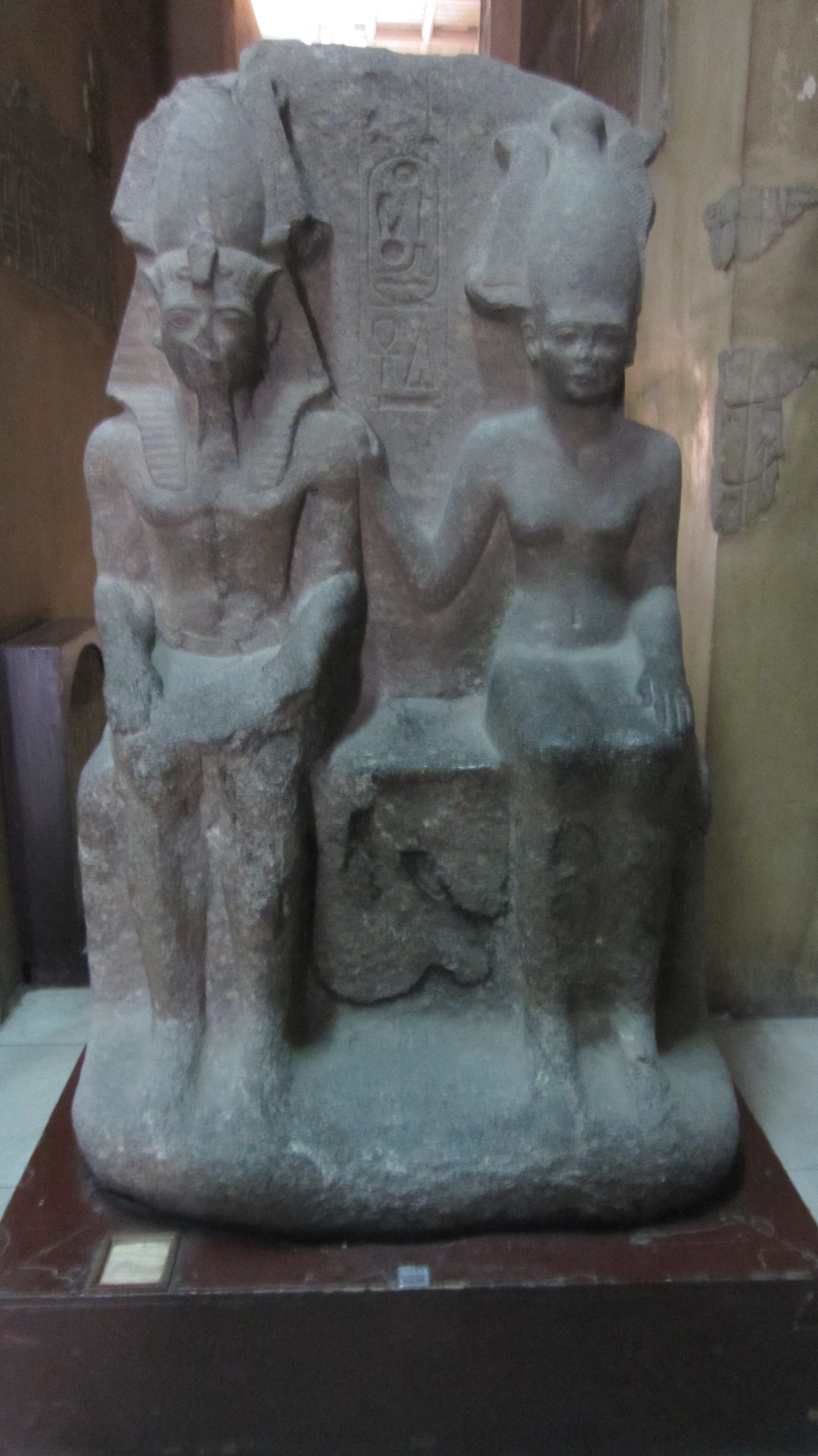
The violent maiden who waded thigh-deep in the blood of warriors to avenge her brother Baal.
Born
1500 BCE
Died
100 CE
Lived
1,600 years
Dead for
1,926 yrs
Cause of death
Forgotten
Replaced by
later Levantine religions
The Obituary
Anat, also spelled Anath, was the Ugaritic and Canaanite goddess of war, hunting, and savage devotion, sister and ally of Baal. The Baal Cycle depicts her wading through battlefields of gore, heads slung from her belt, and avenging her slain brother by destroying the death-god Mot, whom she cleaves, burns, and grinds to dust. Worshipped also in Egypt during the New Kingdom, her cult was tied to Bronze Age Levantine cities. After their decline and the spread of later religions, her worship vanished entirely.
Worth remembering
In the Baal Cycle she wades knee- and thigh-deep in gore, hanging the heads of slain warriors from her belt.
She confronts the death-god Mot, splits him with a blade, burns him, grinds him, and scatters him to the birds.
Gallery
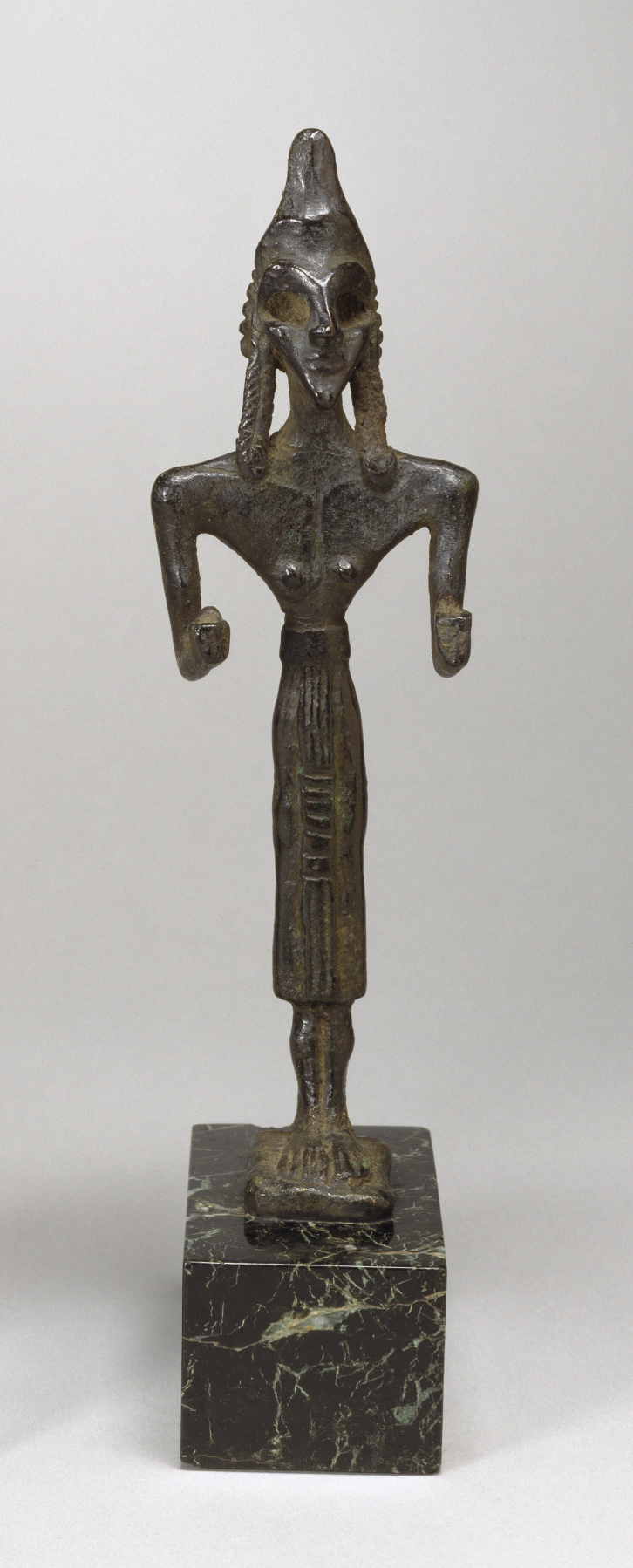
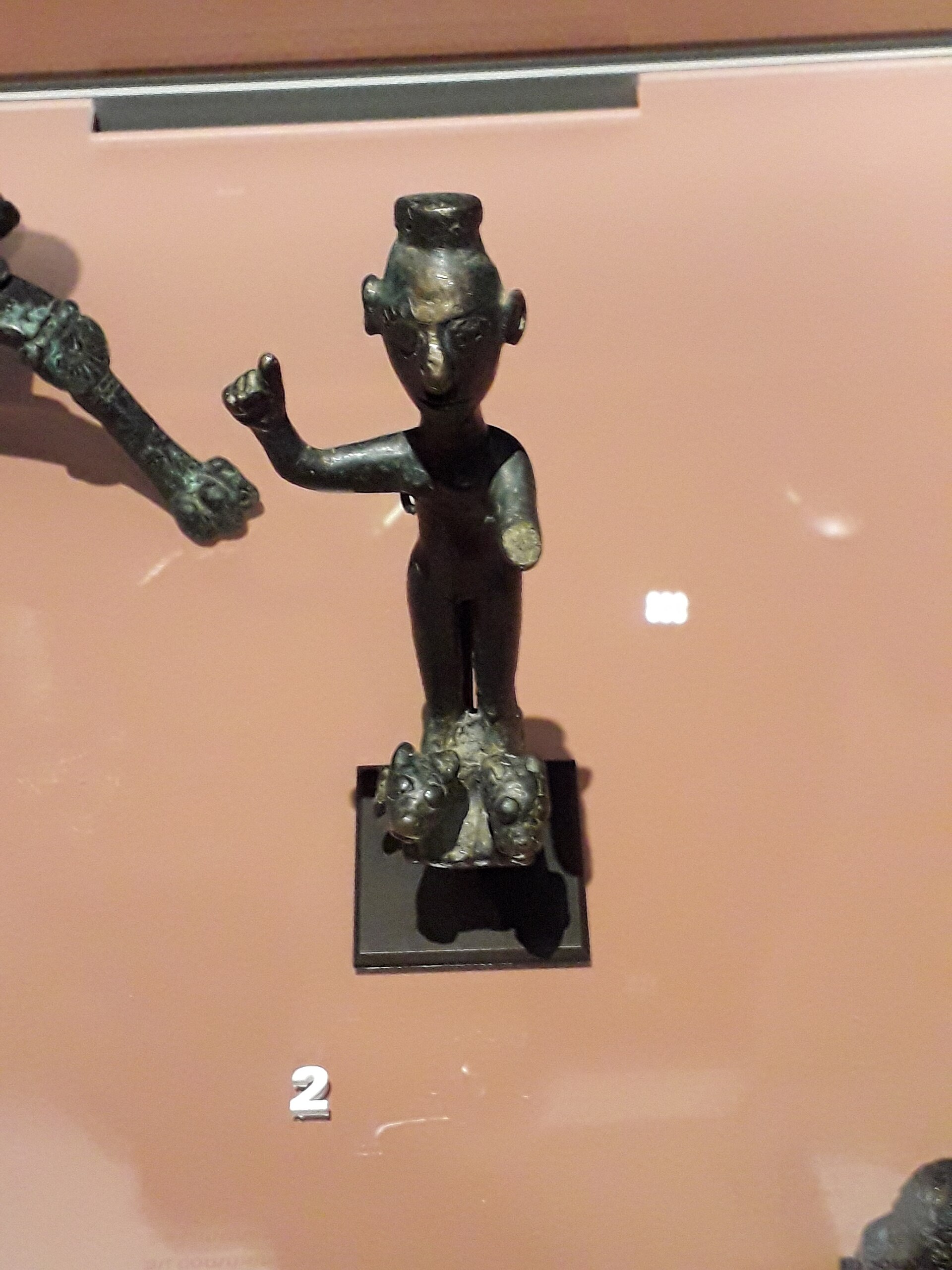
Cast bronze votive figurine of the goddess Anat, ancient Syria, Walters Art MuseumPublic domainBronze figurine of a warrior goddess (Anat type) on lions, ancient Syria, LouvreEunostos · CC BY-SA 4.0
Sources
Anat was an Ugaritic goddess of war and the hunt, sister of Baal Wikipedia
Anat (Anath) is one of the central deities of Canaanite religion, alongside El and Baal, and her violent warrior character is attested across the Levant in the 2nd millennium BCE. Encyclopaedia Britannica
A graveyard tradition: leave a stone to show you came, and remembered.
Buried nearby — by shared fate or a neighbouring lifespan.