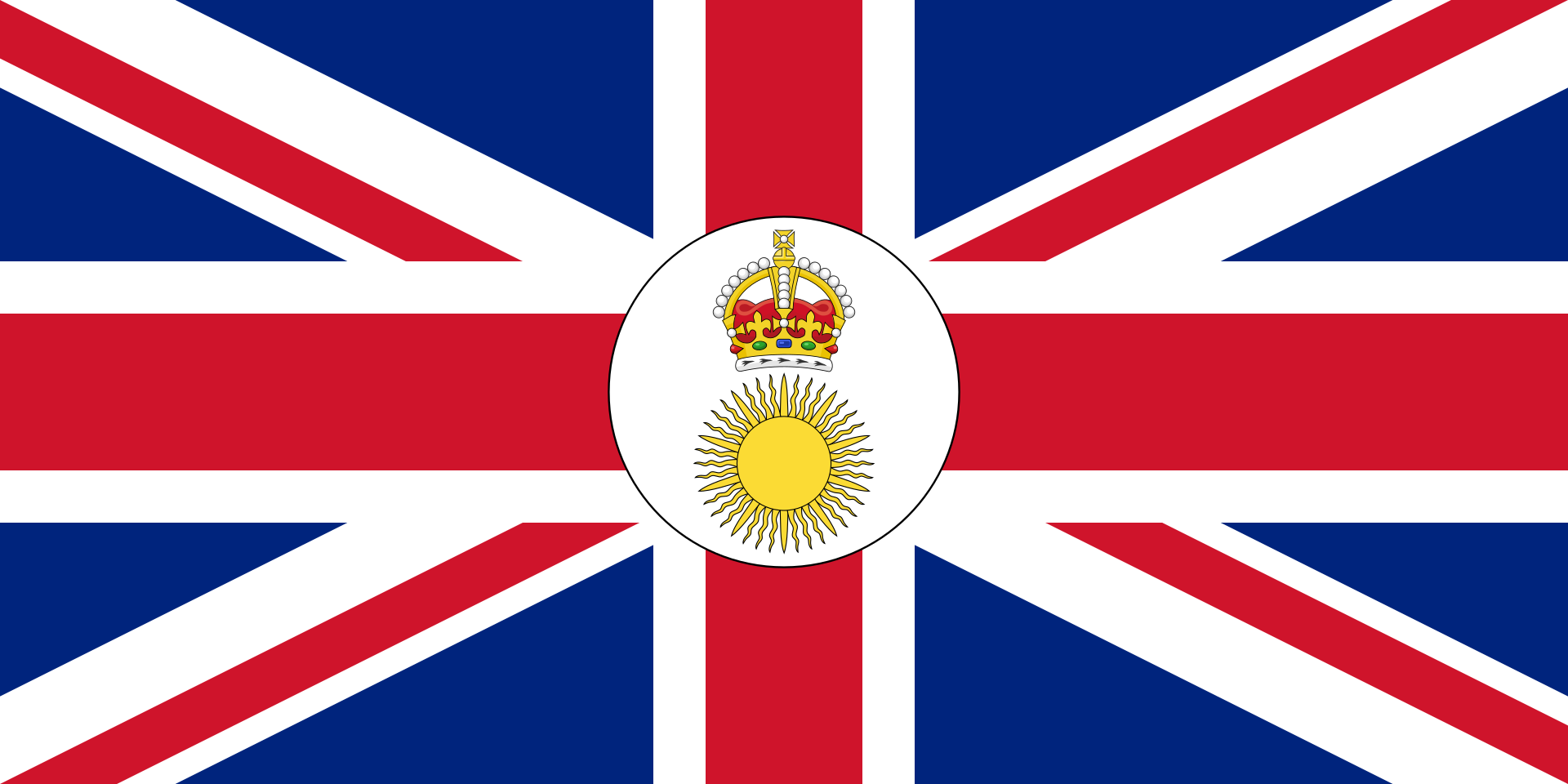
The Imperial British East Africa Company (IBEAC), chartered by Royal Charter in 1888, was founded on a Victorian theory: that private capital could carry the costs of empire more cheaply than the Treasury. For a few years along the Mombasa coast the idea seemed to hold. But the company’s ambitions ran far past its capital. It had no money to build the railway that would make the interior viable, no force capable of pacifying Uganda’s warring factions, and no revenue stream to cover the cost of administering a territory the size of a European country.
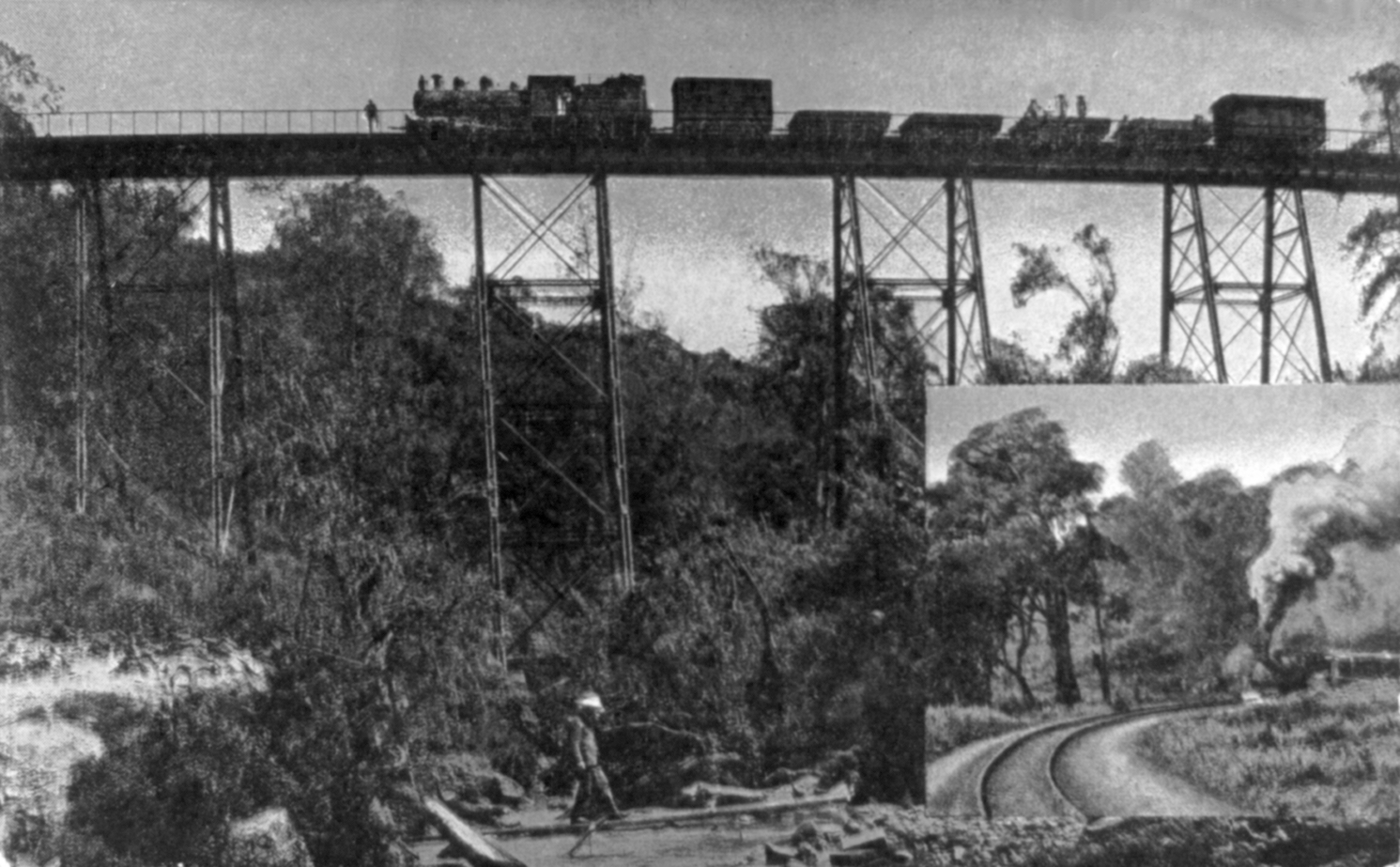
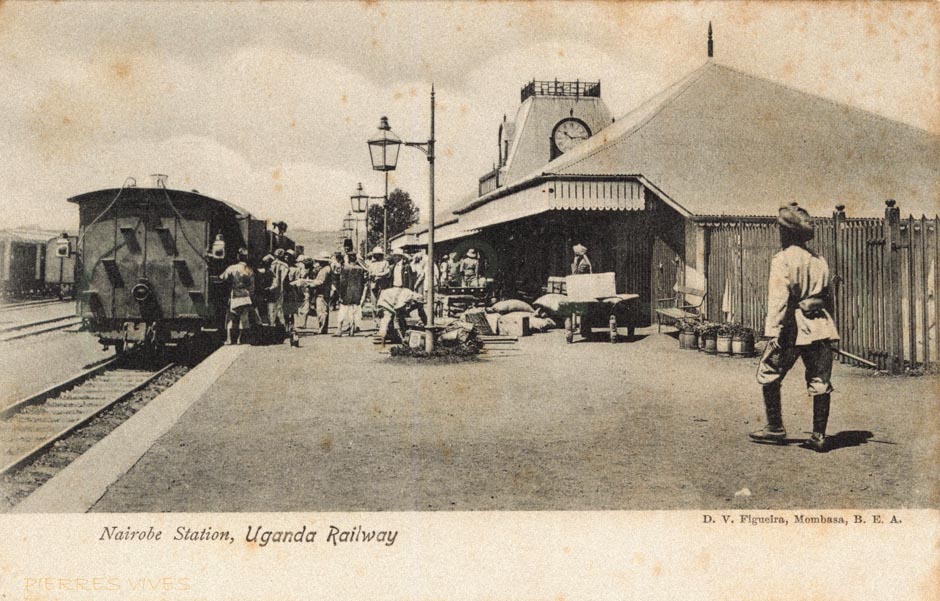
By 1893 it was running chronic deficits and surviving on loans from its London subscribers. Its costly intervention in Uganda’s religious civil wars was the final drain. When it surrendered its charter on 31 March 1895, the British Foreign Office absorbed its obligations, declared protectorates over Uganda and East Africa, and paid the shareholders £250,000 in compensation — a tacit admission that the company had attempted real colonial government and been bankrupted by it. The Uganda Railway that the IBEAC had identified as essential but could never afford was built by the government between 1896 and 1901, on the ground the company had failed to hold.
Worth remembering
- For seven years the company was the de facto government of British East Africa, running its own courts, coining money, raising taxes and conducting diplomacy — the private substitute for colonial rule that Victorian politicians wanted to avoid paying for.
- It was crippled financially by intervening in Uganda's civil wars between Catholic, Protestant and Muslim factions in 1892–93 — conflicts it had no treaty duty to enter but felt it had to settle to protect its trade routes.
Gallery
Sources
- Incorporated in 1888 under a Royal Charter, the IBEAC administered some 246,800 square miles; it surrendered its charter on 31 March 1895 and was defunct by 1896, the territory becoming the Uganda and East Africa Protectorates Wikipedia
- The IBEAC administered British East Africa until its charter was revoked and the territory taken over by the British government in 1895 Encyclopaedia Britannica
A graveyard tradition: leave a stone to show you came, and remembered.