
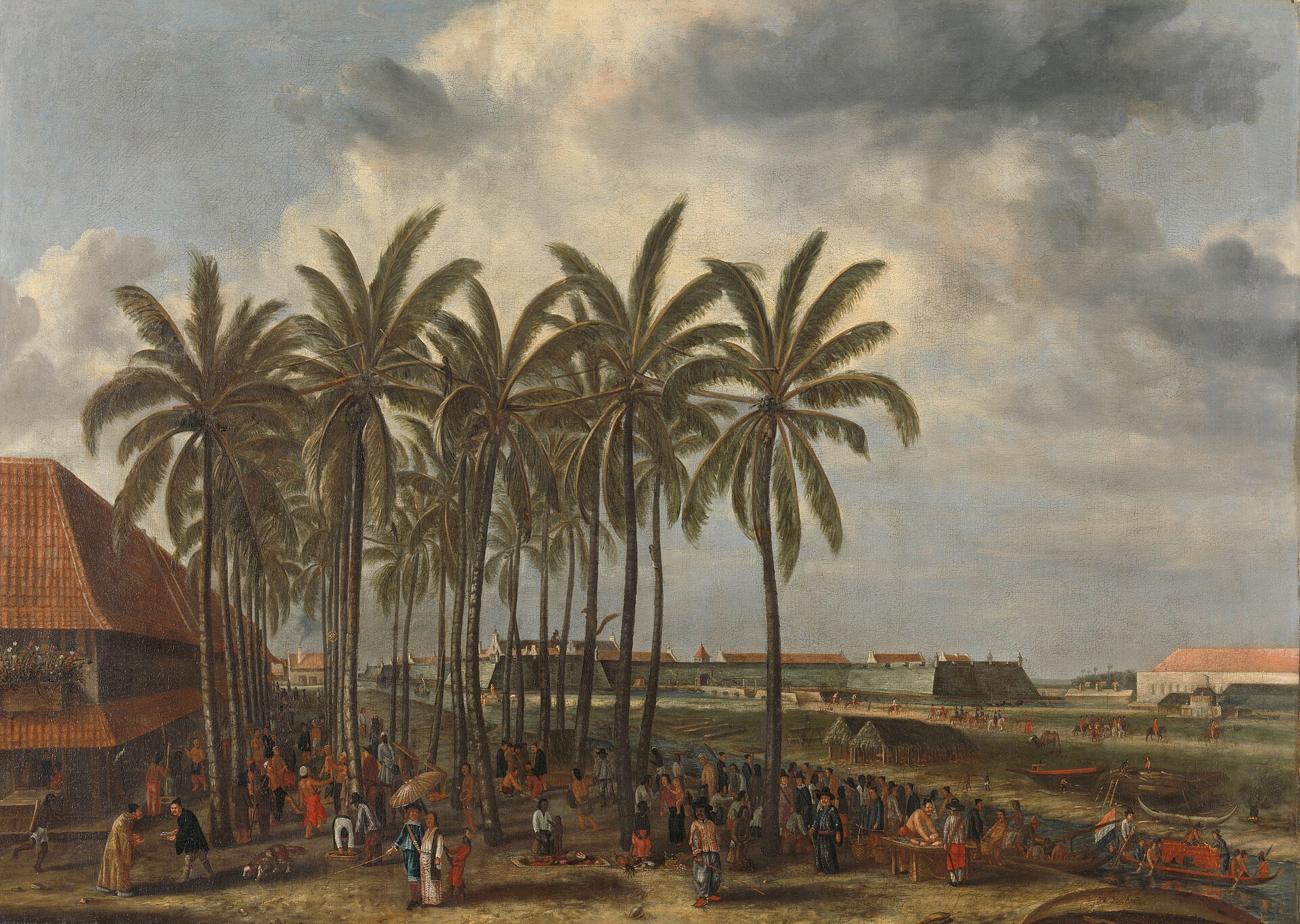
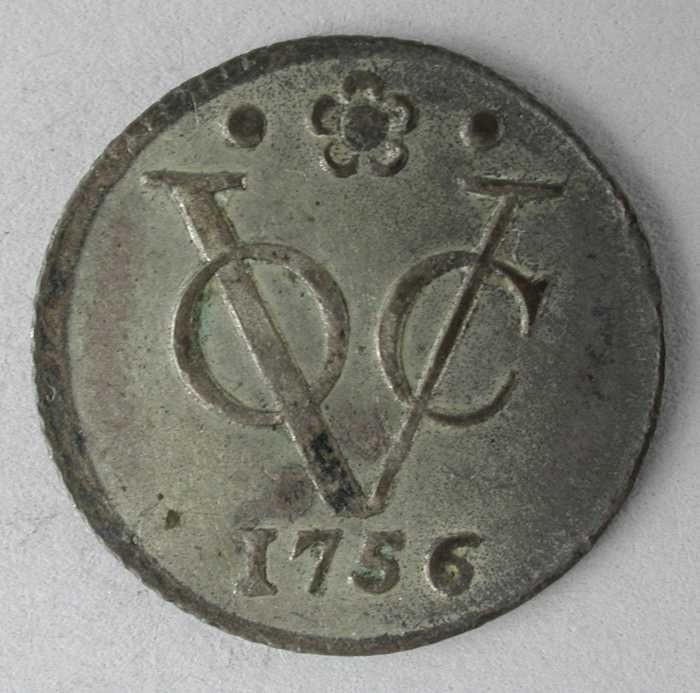
The Vereenigde Oostindische Compagnie was a company in the way a country is a company. Chartered in 1602, it was the first business to sell shares to the public, the first to pay regular dividends, and one of the very few ever granted the legal power to raise armies, wage war, mint coins, and sign treaties in its own name. At its height its estimated worth, adjusted to the present, runs to around $7.9 trillion — more than the largest companies of our own age put together.
For nearly two centuries it ran the spice trade between Europe and Asia at gunpoint. What ended it was not a rival fleet but its own ledger: decades of corruption among its officials, dividends paid out of borrowed money, and the ruinous Fourth Anglo-Dutch War. By the 1790s it was insolvent, propped up by the state, and in 1799 the Dutch government let its charter lapse and absorbed its debts — some 219 million guilders. The richest company in history died quietly, of the most ordinary causes.
Worth remembering
- It was the first company to sell tradable shares to the public — the Amsterdam exchange was built to trade them, effectively inventing the stock market.
- Its charter granted powers no company has held since: to raise armies, wage war, mint its own coins, and sign treaties with foreign states.
Gallery
Watch
Sources
- VOC chartered 1602; first company to issue public stock; held quasi-state powers Wikipedia
- Dutch East India Company history, powers, and dissolution in 1799 Encyclopaedia Britannica
- The Dutch East India Company (VOC), chartered in 1602, was the first company to issue tradable shares to the public and grew into a quasi-sovereign trading empire across Asia before mounting debts forced its dissolution in 1799. World History Encyclopedia
A graveyard tradition: leave a stone to show you came, and remembered.