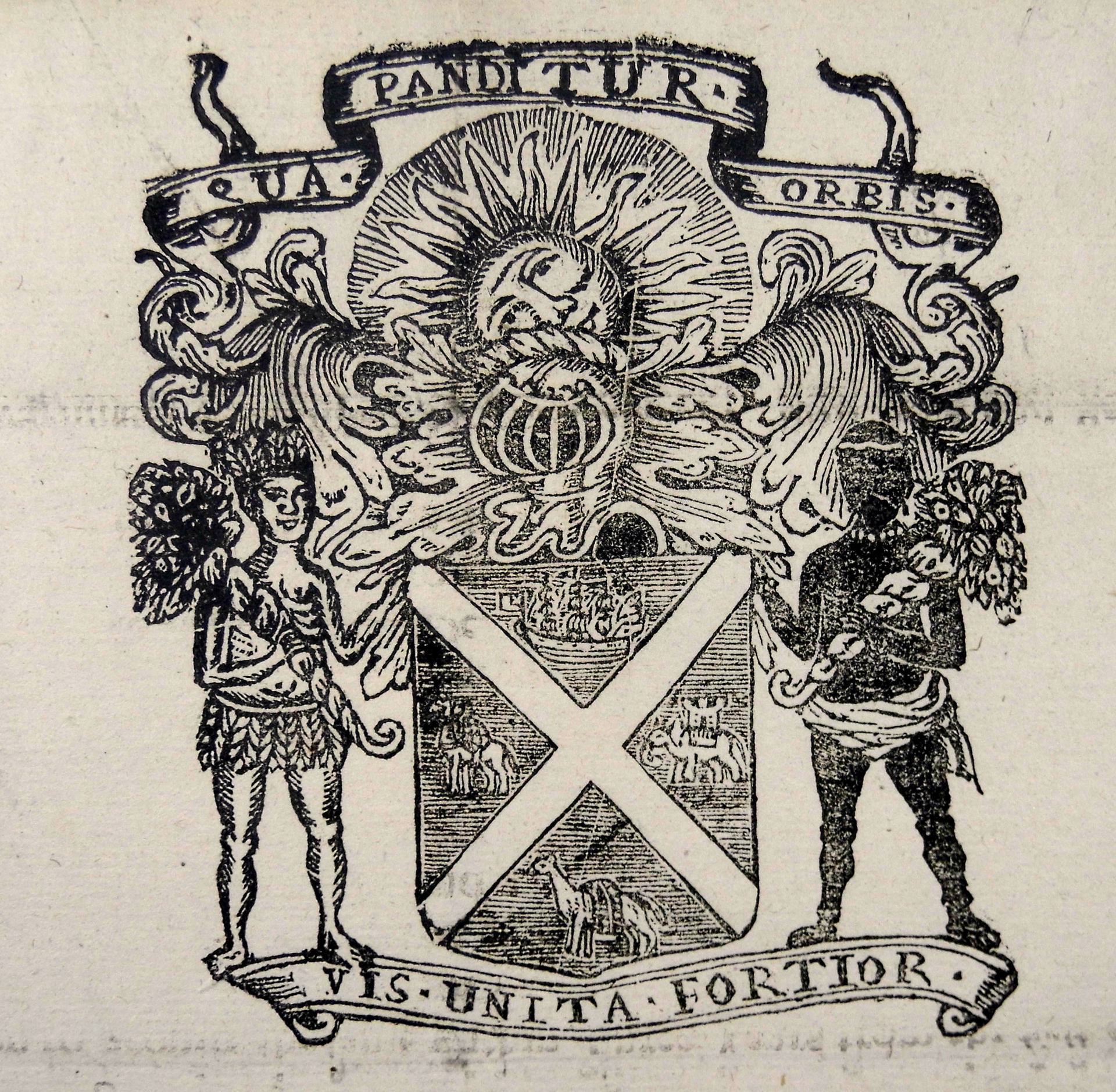
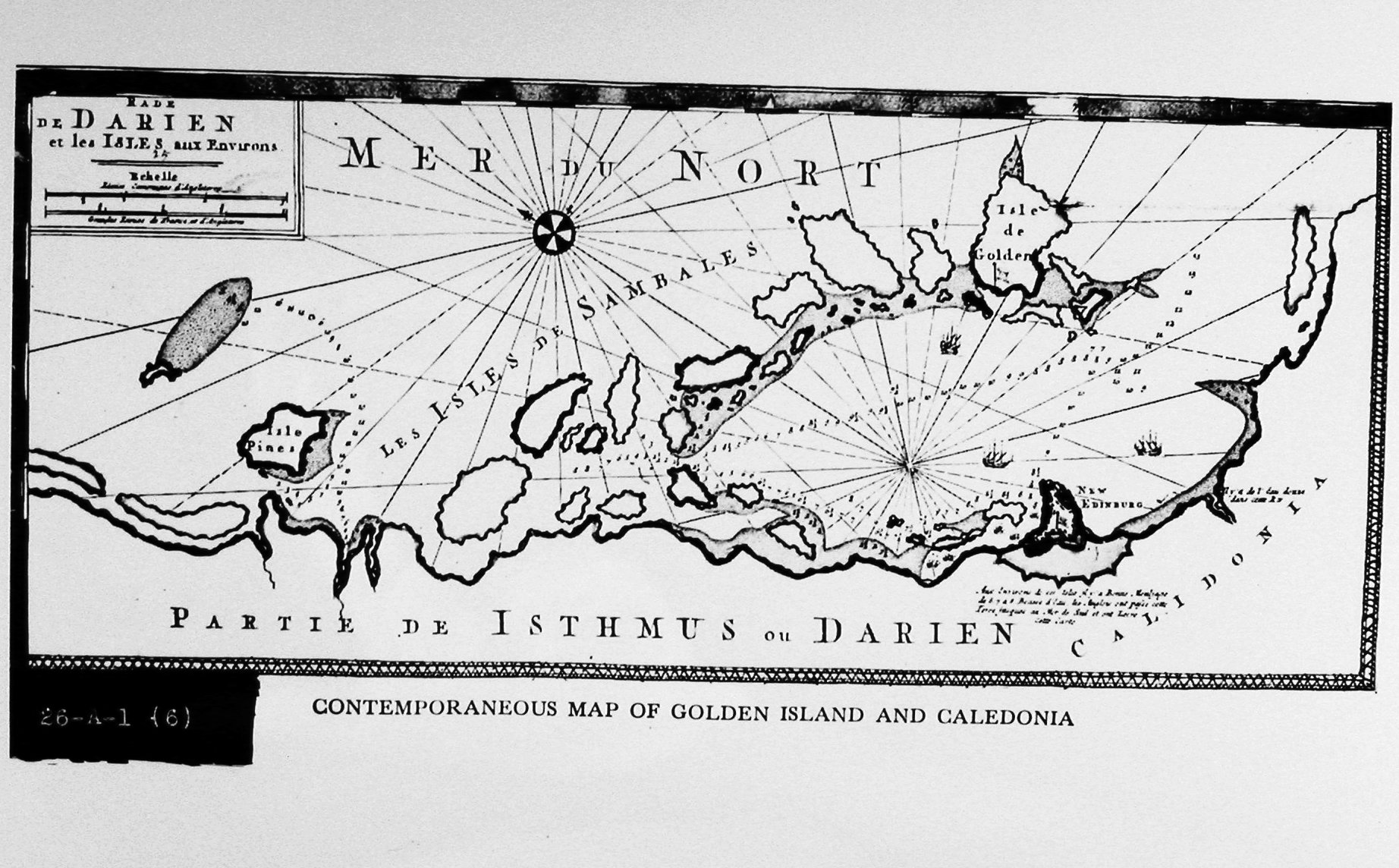
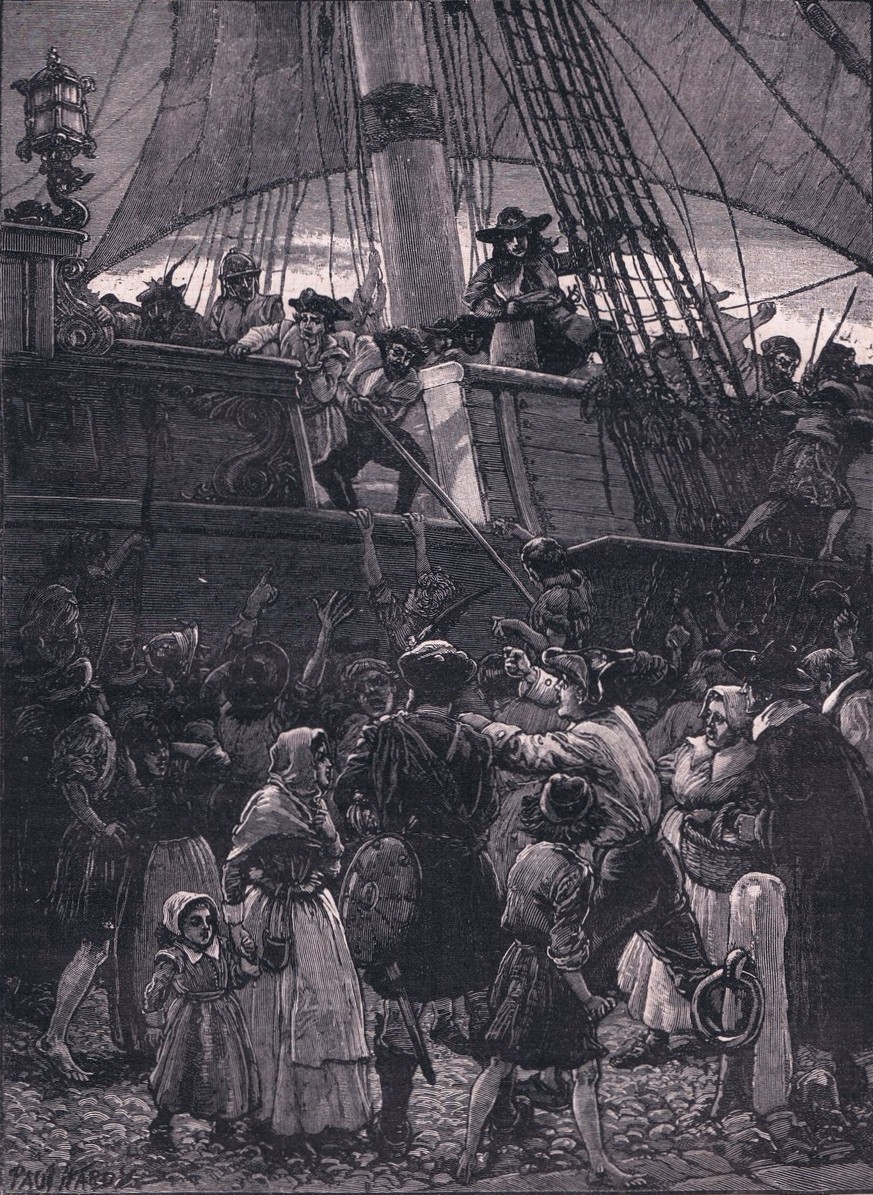
The Company of Scotland was a nation’s gamble on escaping the trading monopolies that shut it out of empire. Chartered in 1695, it raised £400,000 — a sum approaching a fifth of all the money circulating in Scotland — and staked nearly all of it on William Paterson’s vision of a colony at Darien, on the Isthmus of Panama, that would command the commerce of both the Atlantic and the Pacific. Five ships and about 1,200 settlers landed in November 1698.
They found malarial jungle, no market for their goods, and English colonial governors under orders from London to refuse them aid. The first colony was abandoned within months; a second, larger expedition arrived to a rotting, empty settlement, was besieged by Spain, and surrendered in April 1700. More than 2,000 colonists died across the two attempts, and the financial loss gutted the Scottish economy. That ruin made the 1707 Union financially coercive: England’s “Equivalent” payment, which compensated the company’s shareholders, was offered as the price of Scotland dissolving its parliament. The company was wound up on 1 May 1707 — and the debt it left behind helped end Scottish independence.
Worth remembering
- Its £400,000 subscription was raised entirely inside Scotland after English investors withdrew under pressure from the East India Company — reportedly drawing on about a fifth of all the money then circulating in the country.
- William Paterson, who had helped found the Bank of England, conceived the colony of 'New Caledonia' on the Isthmus of Panama as a free port commanding the trade of two oceans.
Gallery
Sources
- The company raised its full £400,000 subscription by August 1696 and was dissolved on 1 May 1707, with the government's 'Equivalent' payment covering shareholders Wikipedia
- The Darien scheme drained Scotland of an estimated quarter of its liquid assets and contributed to the Act of Union of 1707 Historic UK
A graveyard tradition: leave a stone to show you came, and remembered.