The largest city in the pre-Columbian Americas — a metropolis of pyramids the Aztecs found already abandoned and named 'the place where the gods were created,' its builders and rulers still unknown.
Born
100 BCE
Died
550 CE
Lived
650 years
Dead for
1,476 yrs
Cause of death
Disaster
Replaced by
later Mesoamerican states; revered by the Aztecs
The Obituary
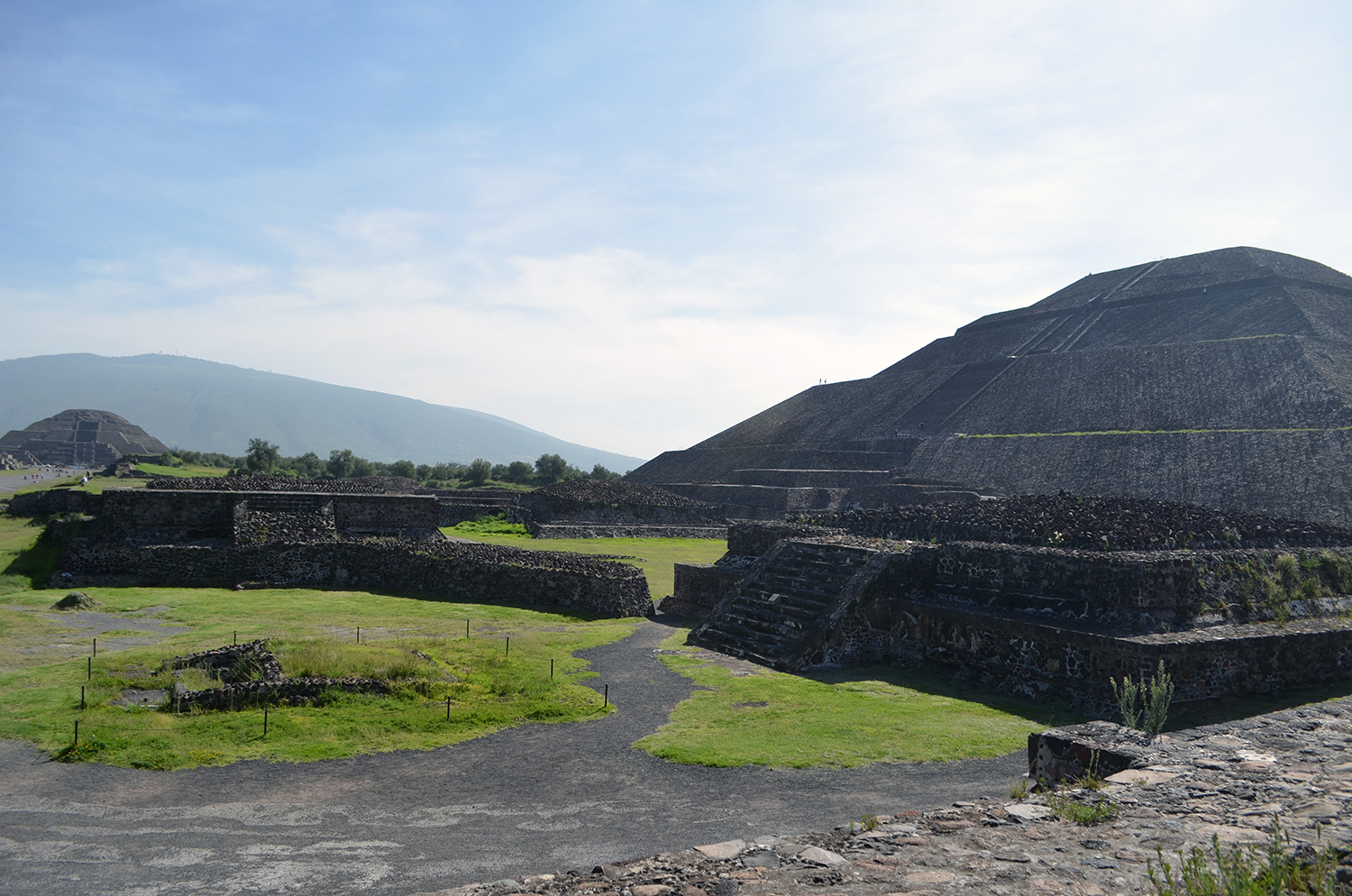
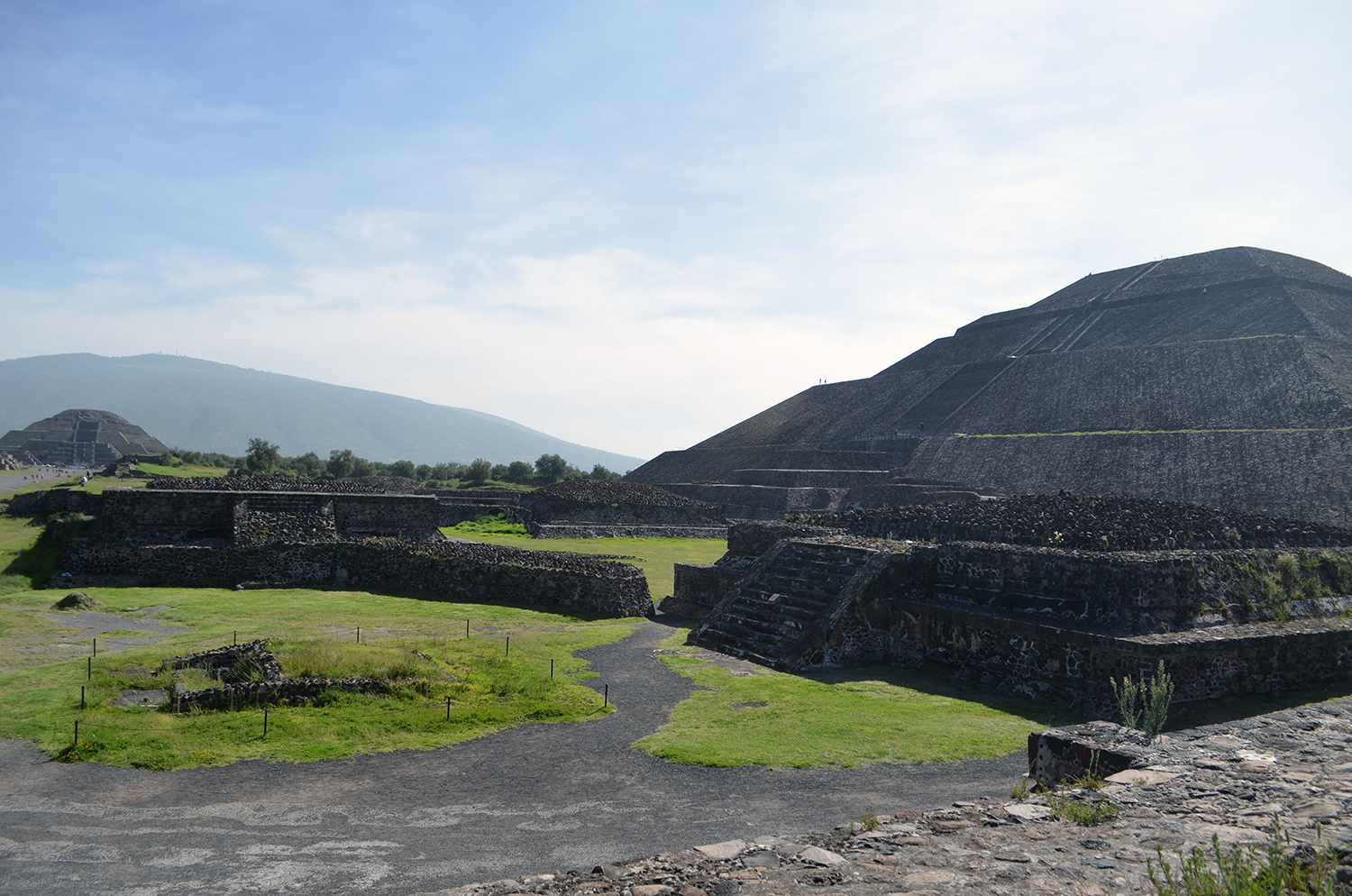
Teotihuacan was the greatest city the Americas had yet seen — a planned metropolis in the Valley of Mexico, laid out along the Avenue of the Dead and dominated by the colossal Pyramids of the Sun and Moon. At its height it housed over 100,000 people, drew tribute and migrants from across Mesoamerica, and influenced cultures as far as the Maya lowlands. Then, around 550 CE, its monumental core was deliberately burned, the city declined, and within a century it was largely empty. Whether the cause was internal revolt, drought, or invasion is still debated. The Aztecs, finding its ruins centuries later, believed the gods had been born there.
Worth remembering
At its peak around 450 CE it held perhaps 125,000 people, rivaling the largest cities anywhere on Earth.
The names of its rulers, its language, and its ethnic identity remain unknown; the Nahuatl name was given centuries later by the Aztecs.
Gallery
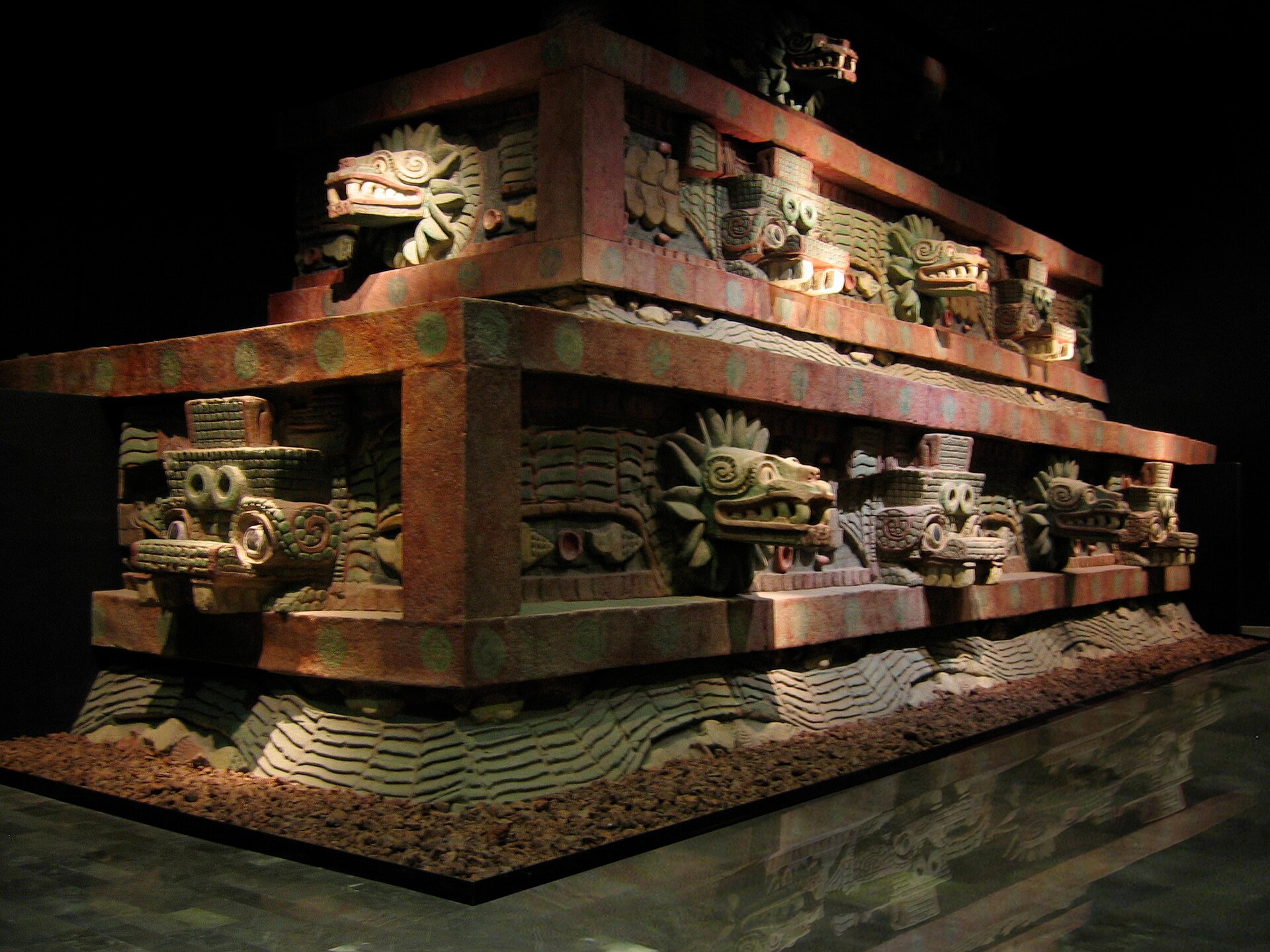
Feathered Serpent heads on the Temple of Quetzalcoatl, Teotihuacanrosemania · CC BY 2.0The Pyramid of the Sun at Teotihuacan, MexicoVeethika · CC BY-SA 4.0
Watch
Pre-Hispanic City of Teotihuacan — UNESCO
Sources
Teotihuacan flourished c. 100 BCE–550 CE; the largest city in the pre-Columbian Americas Wikipedia
Pyramid of the Sun is among the largest pyramids in the world Wikipedia
Teotihuacan was the largest and most influential city in the pre-Columbian Americas, dominated by the Avenue of the Dead and pyramids of the Sun and Moon; its art and religion shaped all subsequent Mesoamerican cultures World History Encyclopedia
A graveyard tradition: leave a stone to show you came, and remembered.
Buried nearby — by shared fate or a neighbouring lifespan.