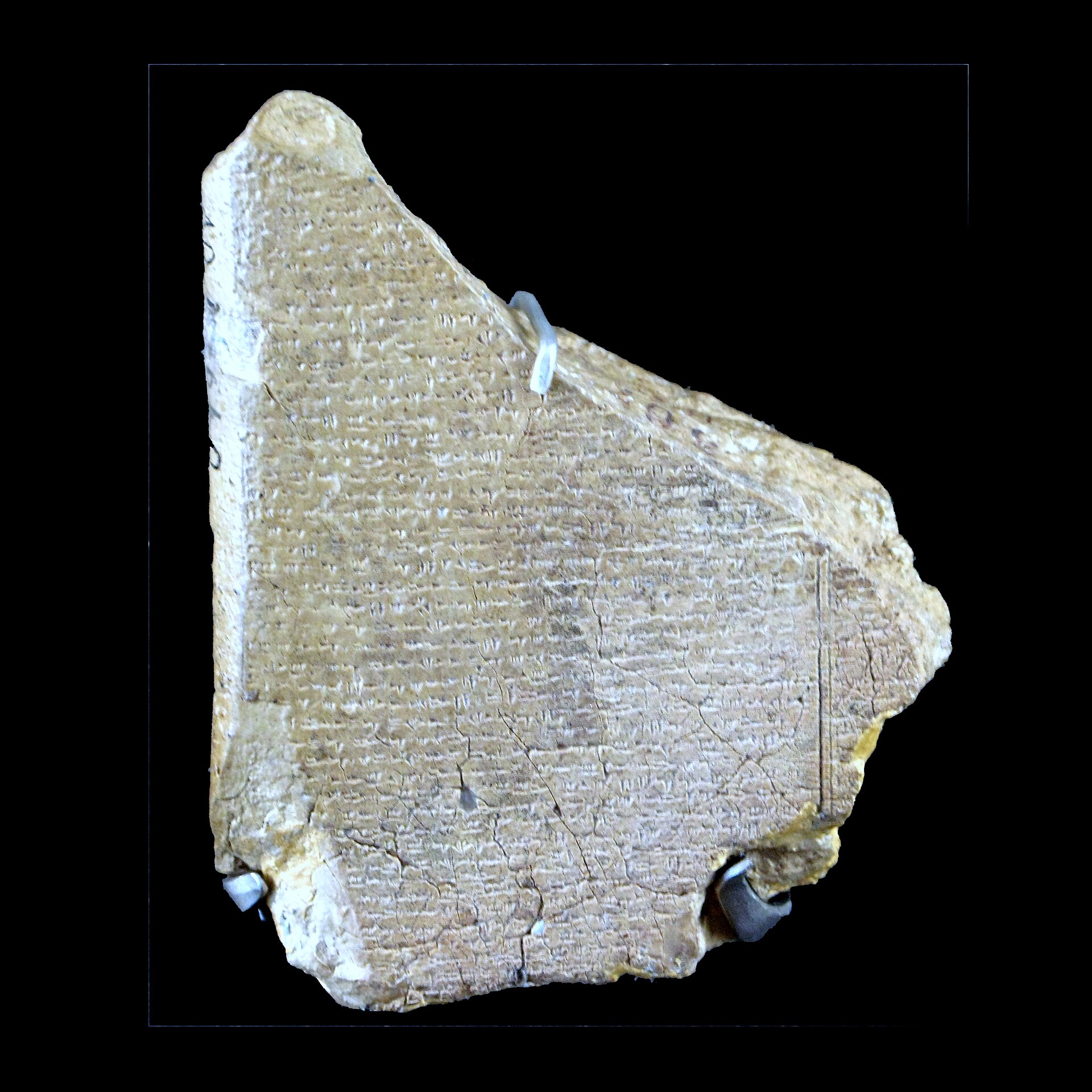
A Bronze Age Canaanite tongue with the world's first alphabet in cuneiform form, buried when its harbour city of Ugarit, at Ras Shamra in Syria, fell to the Sea Peoples.
Died
1185 BCE
Dead for
3,211 yrs
Cause of death
Disaster
Replaced by
Phoenician and Aramaic
The Obituary
Ugaritic was the language of Ugarit, a wealthy harbour city on the Syrian coast now known as Ras Shamra, recorded on clay tablets in a remarkable alphabetic cuneiform of about thirty signs. Its archives, unearthed from 1929, preserve myths, letters, and rituals — among them the Baal Cycle tablets — that shed light on Canaanite religion and the background of the Hebrew Bible. The language and its city met an abrupt end around 1190 to 1185 BCE, when Ugarit was destroyed amid the Late Bronze Age collapse and the raids of the Sea Peoples, and was never reoccupied.
Worth remembering
Its 30-sign cuneiform alphabet is one of the earliest alphabets known, distinct from the syllabic cuneiform around it.
Ugaritic myths of Baal and El illuminate the religious world behind the Hebrew Bible.
Gallery
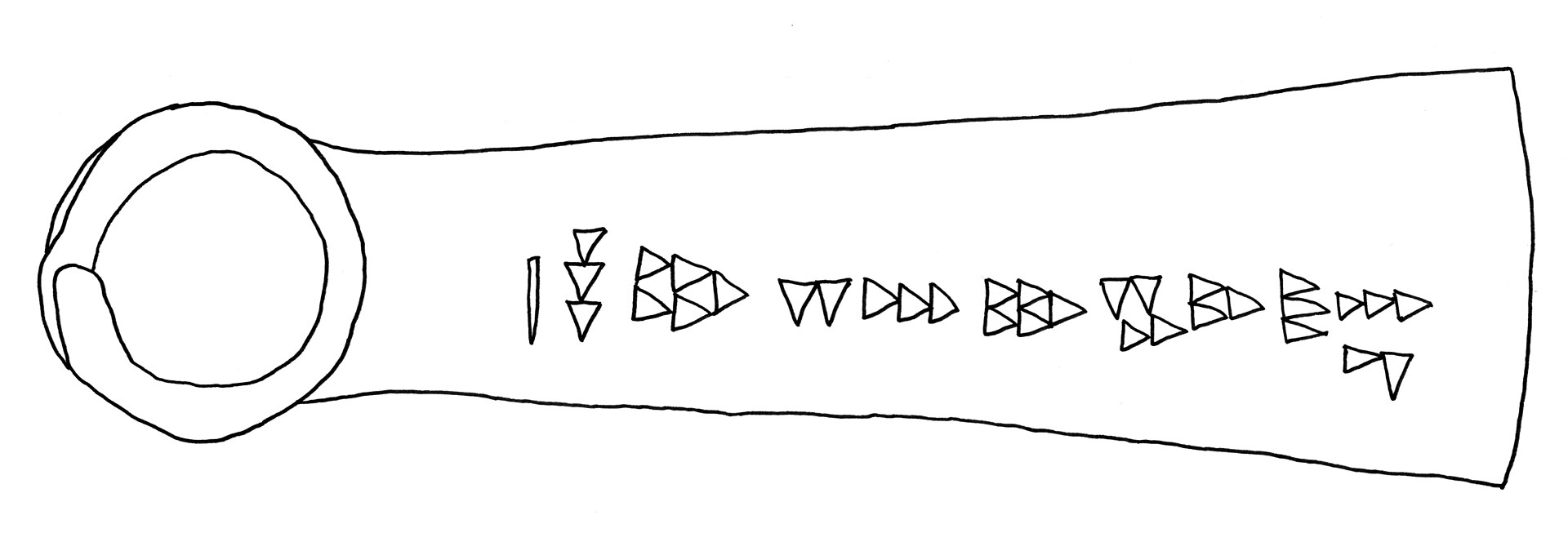
Bronze adze (AO 11611) bearing a Ugaritic cuneiform inscriptionEnlil2 · CC BY 2.5
Sources
Ugaritic was a Northwest Semitic language of the city of Ugarit, written in an early alphabetic cuneiform script. Wikipedia
Ugarit was destroyed around 1190–1185 BCE during the Late Bronze Age collapse, ending the language. Encyclopaedia Britannica
Ugaritic cuneiform was probably created in the 14th century BCE; it is alphabetic (30 consonant signs) rather than the logo-syllabic cuneiform of Akkadian; Ugarit was destroyed around 1185–1180 BCE. Omniglot
The archives unearthed at Ugarit (ancient Ras Shamra, Syria) contain texts in eight languages; the most famous are the mythological Baal Cycle tablets (c. 2,350 lines across six tablets); scholars deciphered the alphabetic script within three years of discovery and identified 30 signs. World History Encyclopedia
A graveyard tradition: leave a stone to show you came, and remembered.
Buried nearby — by shared fate or a neighbouring lifespan.